Gavyn Davies Biography, Age, Height, Wife, Net Worth, Family
By Natalie Ross
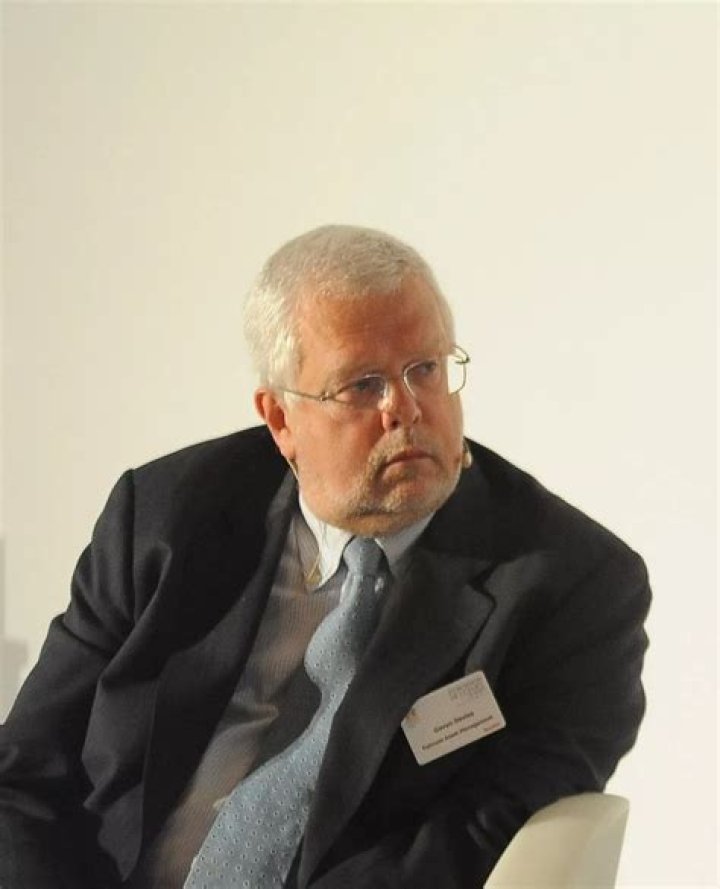
Age, Biography and Wiki
Gavyn Davies was born on 27 November, 1950 in British. Discover Gavyn Davies's Biography, Age, Height, Physical Stats, Dating/Affairs, Family and career updates. Learn How rich is He in this year and how He spends money? Also learn how He earned most of networth at the age of 73 years old?
| Popular As | N/A |
| Occupation | N/A |
| Age | 73 years old |
| Zodiac Sign | Sagittarius |
| Born | 27 November, 1950 |
| Birthday | 27 November |
| Birthplace | Southern Rhodesia |
| Nationality | British |
We recommend you to check the complete list of Famous People born on 27 November. He is a member of famous with the age 73 years old group.
Gavyn Davies Height, Weight & Measurements
At 73 years old, Gavyn Davies height not available right now. We will update Gavyn Davies's Height, weight, Body Measurements, Eye Color, Hair Color, Shoe & Dress size soon as possible.
| Physical Status | |
|---|---|
| Height | Not Available |
| Weight | Not Available |
| Body Measurements | Not Available |
| Eye Color | Not Available |
| Hair Color | Not Available |
Who Is Gavyn Davies's Wife?
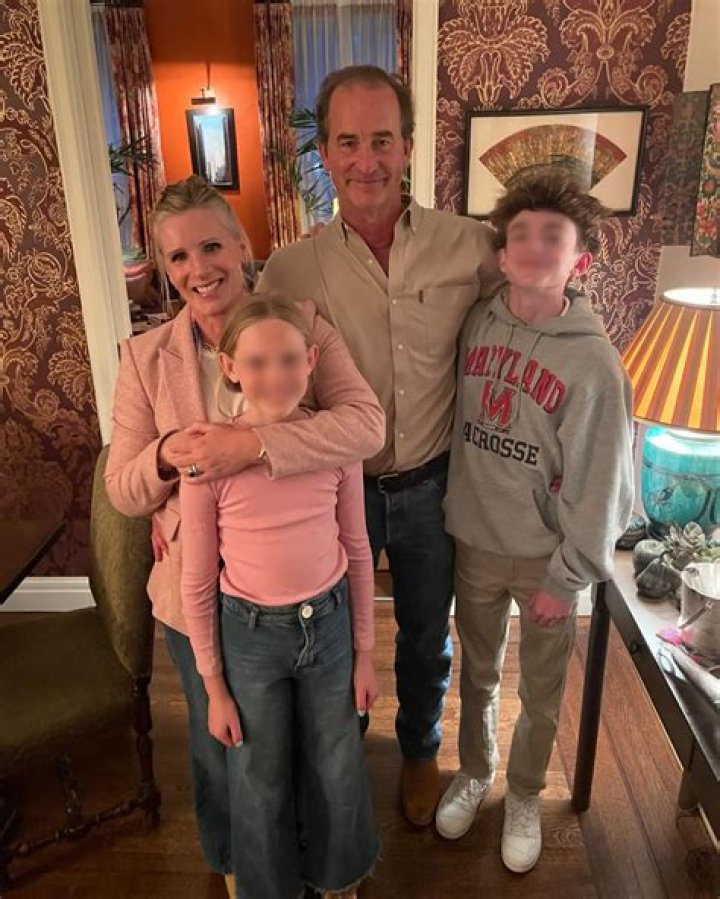
His wife is Sue Nye
| Family | |
|---|---|
| Parents | Not Available |
| Wife | Sue Nye |
| Sibling | Not Available |
| Children | 1 daughter, 2 sons |
Gavyn Davies Net Worth
His net worth has been growing significantly in 2022-2023. So, how much is Gavyn Davies worth at the age of 73 years old? Gavyn Davies’s income source is mostly from being a successful . He is from British. We have estimated Gavyn Davies's net worth , money, salary, income, and assets.
| Net Worth in 2023 | $1 Million - $5 Million |
| Salary in 2023 | Under Review |
| Net Worth in 2022 | Pending |
| Salary in 2022 | Under Review |
| House | Not Available |
| Cars | Not Available |
| Source of Income |
Gavyn Davies Social Network
Timeline
Since August 2010 he has written a blog on macroeconomics for Financial Times.
In 2005 he set up a $1.35 Billion hedge fund to invest in macroeconomic situations. He wrote a weekly column on mathematics and statistics, Gavyn Davies does the maths, on Thursdays for The Guardian newspaper.
In January 2001 he was appointed a vice-chairman of the BBC. He was promoted to chairman just 10 months later for a five-year term after being recommended by Tessa Jowell. Upon becoming Chairman Davies resigned his membership of the Labour Party. In January 2004, he resigned after the publication of the Hutton Inquiry. It heavily criticised the BBC's news reporting that Davies had supported. In his resignation statement he said he was "happy to accept ... ultimate responsibility" for everything the BBC does. However, he raised questions about the conclusions of Lord Hutton, including the question of the use of unverifiable sources and possible threats to the freedom of the press.
In 1999 he chaired an inquiry into the future funding of the BBC. His suggestions – to sell off a portion of BBC Worldwide (the corporation's commercial wing) and to raise the television licence fee by around 20% in order to fund new digital channels - were swiftly rejected by the Culture, Media and Sport Select Committee.
Davies was born in Southern Rhodesia, now Zimbabwe, where his father was head teacher at what was then its only black high school, before moving to the UK in 1961. He was educated at Taunton's School, Southampton, St. John's College, Cambridge and Balliol College, Oxford, where he conducted research. He worked in Harold Wilson's Policy Unit from 1974–76 and then as an economic advisor to James Callaghan from 1976–1979. Afterwards he had stints as Chief Economist at Simon & Coates and Goldman Sachs. He was later promoted to international managing director of the bank. During this time he also served as one of the Chancellor of the Exchequer's "wise men" during the 1992–1997 Parliament. Davies repeatedly came under criticism for his ties to Enron.
Gavyn Davies, OBE (born 27 November 1950) is a former Goldman Sachs partner and multi-millionaire who was the chairman of the BBC from 2001 until 2004. On 28 January 2004 he announced that he was resigning his BBC post following the publication of the Hutton Inquiry report which heavily criticised the organisation.